A simple guide to event contracts in trading: how they work, how prices reflect probability, how settlement happens, and how they differ from futures.
- Sides Team
- /April 02, 2026
- /10 min read
An event contract is a market instrument tied to one specific outcome. Instead of buying an asset and hoping to benefit from its broader movement, a trader takes a position on whether a clearly defined event will happen before a set deadline. In most cases, that outcome is framed in simple terms and linked to a price level, market close, or measurable result.
This is exactly why the format stands out. The contract does not ask you to manage a wide, open-ended market exposure. It asks you to answer one narrow question within a fixed period. For many people, that feels more accessible than dealing with complex derivatives that involve multiple variables at once.
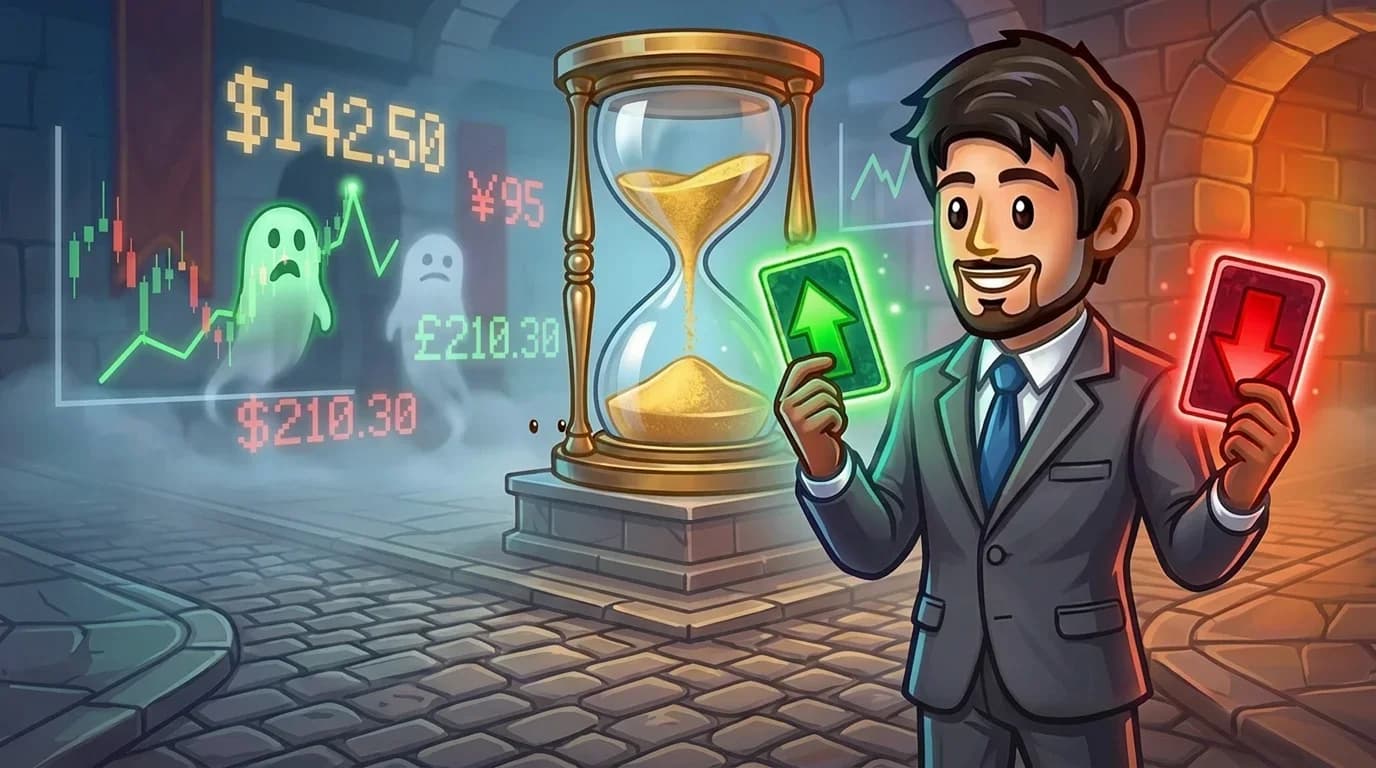
In trading, an event contract is a time-limited instrument whose value depends on whether a stated condition becomes true by expiration. It is a time-limited contract whose value depends on whether a stated condition becomes true by expiration. If the condition is met, the trade settles one way. If not, it settles the other way.

Event contracts in simple terms
The easiest way to think about an event contract is this: it lets traders buy or sell a view on probability. The contract is built around a question, and the market assigns value to the likelihood of that outcome. You are not purchasing the asset itself. You are trading the chance that something specific will or will not happen.
That makes it very different from a regular market position. A stock trade gives you exposure to the company's performance. A standard commodity trade gives you direct price exposure to that commodity. An event contract removes that broad exposure and focuses everything on one binary outcome.
In trading, the standard term is event contract. It refers to a tradable contract linked to whether a specific event, threshold, or condition occurs within a set timeframe. In financial content, event contract is the accepted wording. The idea remains the same either way: a tradable contract linked to whether a named event, threshold, or market condition occurs within a set timeframe.
How event contract trading actually works

To understand how event contract trading works, begin with the structure of the product. First, a market or event is chosen. Then a condition is attached to it, such as whether an index will finish above a certain level by the end of the session. After that, the trader decides which side of the outcome they want to back.
Most contracts in this category are built around a yes-or-no format. One side benefits if the event happens. The other side benefits if it does not. As market expectations shift, the contract price moves too. In that sense, the price reflects how confident participants are about the final result.
When the contract reaches expiration, settlement is based on the rule written into the product. If the condition was satisfied, the winning side gets the payout defined by the contract. If the condition failed, the opposite side wins. On some venues, traders can also exit earlier, which means the position can be closed before the final resolution.
A practical example of an event contract trade

Picture a contract tied to the SS&P 500 closing above a specific level at the end of the day. If you think the index will finish above that number, you take the side aligned with that view. If the market closes where the contract says it must, the trade resolves in your favor. If it closes below that threshold, the position settles against you.
The same structure can be applied to gold, oil, or a currency pair. One contract might ask whether crude oil will remain above a certain price into settlement. Another might be tied to whether EUR/USD ends the day above a named level. The market changes, but the trade logic stays familiar.
This is one of the reasons event contract trading appeals to many users. The setup is not vague. The trader is not juggling a broad thesis with too many moving parts. The trade comes down to one defined condition and one deadline.
What event contracts can be built around
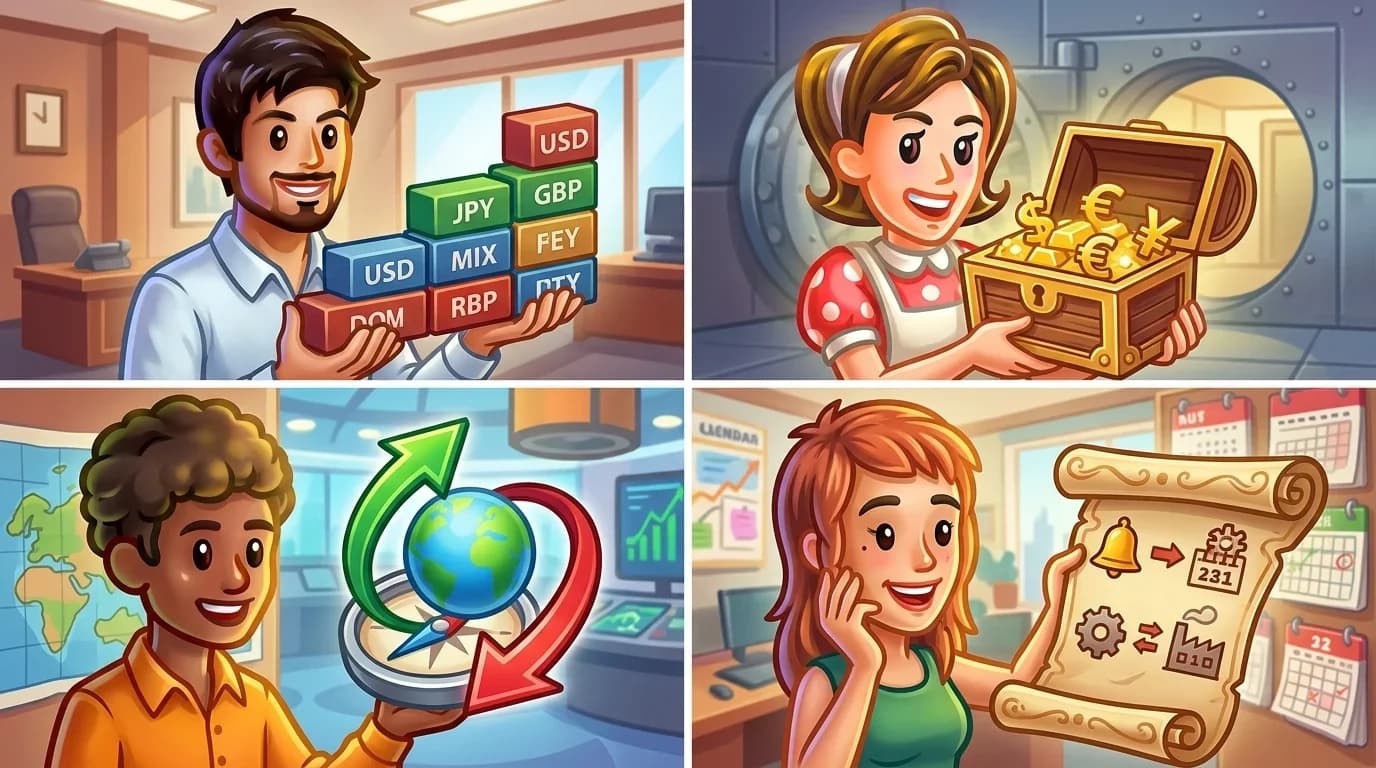
Event contracts can be based on a wide range of markets and outcomes. Common examples include stock indexes, commodities, currencies, and scheduled economic releases. The exact selection depends on the platform, but the general structure does not change.
In financial trading, the clearest examples usually involve price-based questions. Will a benchmark close above a certain level. Will gold end the session higher than a stated threshold. Will a currency pair hold over a fixed number by expiration. These are clean, measurable conditions, which is why they work well in this format.
Some platforms stretch the idea further and offer contracts tied to elections, sports, weather, or other public events. That is where the topic starts to overlap with the world of prediction markets. Even there, though, the core idea stays consistent: one question, one deadline, one settlement result.
Why traders are drawn to event contracts
One major attraction is simplicity. An event contract gives the trader a clearly framed setup without the noise that often comes with more advanced derivatives. The question is direct, the time horizon is defined, and the resolution method is laid out in advance.
Another reason is control over exposure. In many cases, traders can see the rough risk profile more clearly at entry than they can with products that involve margin swings or more complicated payoff structures. That clarity does not remove danger, but it makes the position easier to understand before committing capital.
They also appeal to people who trade short-term ideas. If someone has a view on a market close, a near-term threshold, or a scheduled release, this structure gives them a clean way to express that view. In practical terms, what is event contract trading for many users? It is a compact way to trade a short-lived opinion on a clearly defined outcome.
The risks traders should not ignore
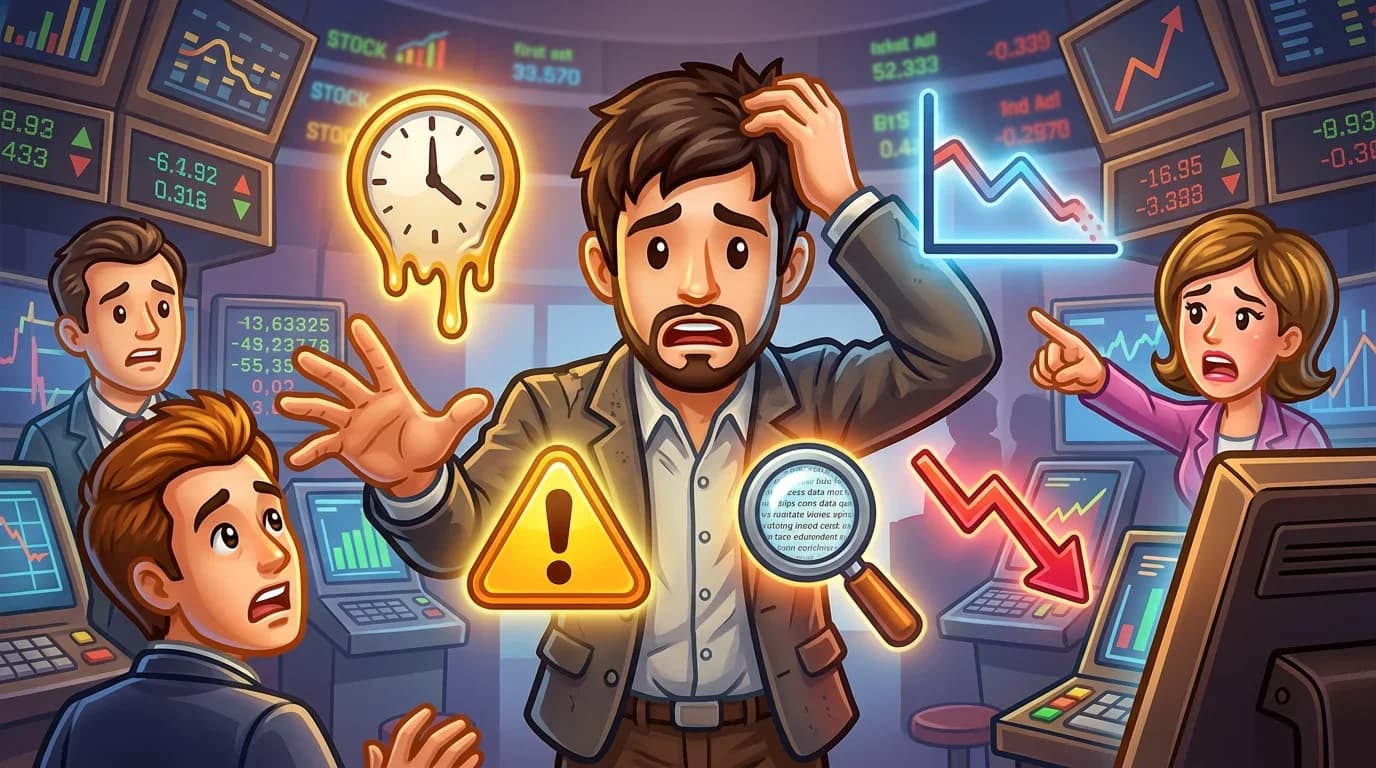
A simple format can create a false sense of security. Event contracts may look easier to use than other derivatives, but they still require judgment and timing. A trader can misunderstand the contract, enter at the wrong moment, or pay too much for the position and still lose money quickly.
Liquidity can also become a real issue. Some contracts attract steady participation, while others may be thin and harder to trade efficiently. When activity is weak, spreads tend to widen and exits can become more expensive than expected. A contract that appears attractive on paper may be less attractive in execution.
There is also a rules-based risk that should never be brushed aside. If the trader does not fully understand the trigger, settlement condition, or expiration details, the trade can fail for reasons that have nothing to do with the original market idea. Defined risk only helps when the structure is understood properly.
Event contracts compared with traditional futures

Event contracts and futures contracts belong to the same broad derivatives landscape, but they are not designed for the same job. A futures contract gives exposure to the future price of an asset, commodity, or index. An event contract, by contrast, focuses on whether a stated condition will be true at a certain point in time.
That difference changes the whole trading experience. Futures often involve margin, continuous price movement, and broader sensitivity to the market. Event contracts are narrower. Their logic is built around one outcome rather than ongoing price exposure from entry to exit.
For that reason, many beginners find event contracts easier to grasp. The thesis is more compact, and the trade is framed around a single result rather than a full directional market position. That does not make them better than futures . It simply means they are suited to a different trading style.
Event contracts and prediction markets are not always the same thing
This is one of the biggest sources of confusion around the topic. Event contracts and prediction markets often resemble each other because both allow users to trade on future outcomes. In both cases, pricing can behave like a live estimate of probability.
But the two terms are not always interchangeable. Event contracts are often discussed through a financial-trading lens and may be tied to structured market products, trading platforms, or regulated venues. Prediction markets can be broader and may include politics, media, sports, or public events in a way that feels less connected to conventional market trading.
That distinction matters. The distinction matters because event contracts are usually discussed as trading products, while prediction markets are a broader category that can include politics, sports, media, weather, and other public events. The overlap is real, but the context changes how the product is described and how it is perceived.
Are event contracts legal in the US?
The answer is not a blanket yes or no. Some event contracts can be offered legally in the United States through properly structured and supervised venues. At the same time, the category is sensitive, and not every market that uses outcome-based language belongs in the same legal group.
Whether something is lawful depends on the platform, the form of the contract, and the rules under which it is listed. That means traders should avoid assuming that all event-style products operate under the same standards. A regulated market and an unregulated one are not comparable just because they look similar at first glance.
So, are event contracts legal in the US? Some are, but the details matter more than the label. Before trading, it is important to understand who offers the contract, how it is structured, and under what framework it operates.
Who event contracts may suit best
Event contracts are often described as beginner-friendly, and that label makes sense in one respect. The question-based format is easy to follow, and the trade logic is more intuitive than many products that require a deeper technical background.
They can also work well for traders who want clearly limited downside and a shorter time horizon. If the goal is to express one directional view without taking on broad, long-duration exposure, this structure can be a natural fit. It is especially appealing to people who like clean setups and decisive outcomes.
Still, not every trader will enjoy this format. Those who prefer broader market participation, more flexible positioning, or longer holding periods may find event contracts too restrictive. They are most useful when the trader has a sharp view, a short window, and a disciplined plan.
How to start with event contract trading

The best place to start is with a market you already understand. If you follow major indexes, commodities, or liquid currency pairs, begin there instead of chasing whatever contract is attracting the most attention that day. Familiar markets give you better context, and context improves decision-making.
After that, read the contract details carefully. Check the trigger, the expiration time, the settlement method, and any execution costs. Many avoidable mistakes happen when traders understand the general idea but ignore the exact wording of the contract itself.
Then set your risk before entering. Decide how much you are willing to lose, whether you intend to hold to settlement or exit early, and what conditions would make you step away from the trade. Event contracts reward clarity. Random decision-making usually gets punished fast.
Final takeaway
An event contract strips a trade down to one focused outcome. That is what makes the format appealing. The logic is cleaner than many derivative products, the time horizon is usually shorter, and the settlement framework is easier to understand from the start.
That said, easy to read does not mean easy to trade well. Event contracts still demand timing, discipline, and a real grasp of how the product works. Traders who underestimate that usually learn the hard way.
If your main question was what is an event contract, the answer is simple now. It is a time-based trading contract built around whether a specific condition will be met. Whether it is right for you depends on how comfortable you are with short-term decisions, clearly defined setups, and strict risk control.
FAQs
It is a contract tied to a future outcome. Instead of owning the underlying asset, the trader takes a position on whether a specific event, threshold, or condition will be reached by a set time.
Event contract trading means buying or selling contracts based on whether you think a defined condition will be met by expiration. In simple terms, you are trading whether something will happen, not investing in long-term ownership of the underlying market.
You choose a market, review the condition and expiration, then take the side that matches your expectation. If the event occurs as defined, the contract settles in your favor. If it does not, the position settles the other way.
Yes. Even when the risk looks easier to define, losses are still possible. A trader can lose the amount committed to the position because of bad timing, poor pricing, low liquidity, or a misunderstanding of how the contract settles.
They share a similar outcome-based structure, which is why people often compare them. Still, they are not always treated as the same thing in practice. The context, venue, and regulatory treatment can differ.
Usually, yes. Some users reverse the order of the words in search, but event contract is the standard expression used in trading content.