A guide to US prediction market regulation, CFTC oversight, event contracts, state law conflicts, and how platforms like Polymarket and PredictIt differ.
- Sides Team
- /April 12, 2026
- /10 min read
Prediction market regulation in the US sits in a complex gray area. These platforms look easy to understand at first glance. People trade on future outcomes, prices move up and down, and once the event is resolved, the winning side gets paid. But the legal side is more complex than the product experience suggests. The core dispute is not really about whether people enjoy trading on events. It is about what these products are in legal terms.
That question changes everything. If a platform is offering event-based contracts inside a federal financial framework, the conversation leans one way. If regulators classify the same product as closer to gambling or event wagering, the legal treatment shifts fast. That is why prediction markets keep ending up in courtrooms, policy debates, and public scrutiny about who gets to regulate what.

This is also why the category gets more attention now than it did a few years ago. The market is bigger, the platforms are more visible, and the events being traded are more politically and culturally sensitive. Once money starts flowing into sports, elections, macro events, and headline-driven outcomes, regulation stops being a side topic. It becomes part of the product itself.
What is Prediction Market regulation in the US
A prediction market is a place where people buy and sell contracts tied to future events. Those events can range from politics to economics to sports to culture. The price usually reflects what the market thinks is likely to happen. On the surface, that sounds simple. In practice, the legal treatment depends on how the contract is structured, where it is listed, and which regulator decides it falls under their turf.

That is where regulation comes in. Prediction market regulation in the US is not just about banning or allowing a platform. It covers who can list contracts, what kinds of events can be offered, where users can access the market, how the platform handles compliance, and whether the product is treated more like a financial instrument or more like a bet. A lot of the real tension comes from the fact that these markets do not fit neatly into one box.
The legal debate is easier to understand once the basic structure of prediction markets is clear
Who regulates Prediction Markets in the United States
At the federal level, the main agency people talk about is the CFTC. That is where much of the legal framing begins when a platform argues that its event contracts belong inside a regulated financial structure. For some operators, that federal layer is the entire point. It is how they justify their existence, their market design, and their right to list certain contracts at all.
But federal oversight is only half the story. States have their own interest in the space, especially when the product starts to resemble sports betting or event wagering. That is where the conflict gets sharper. A platform can say it is offering regulated event contracts, while a state can look at the same product and say it functions like gambling under local law. Both sides think the classification matters because it determines who has authority.
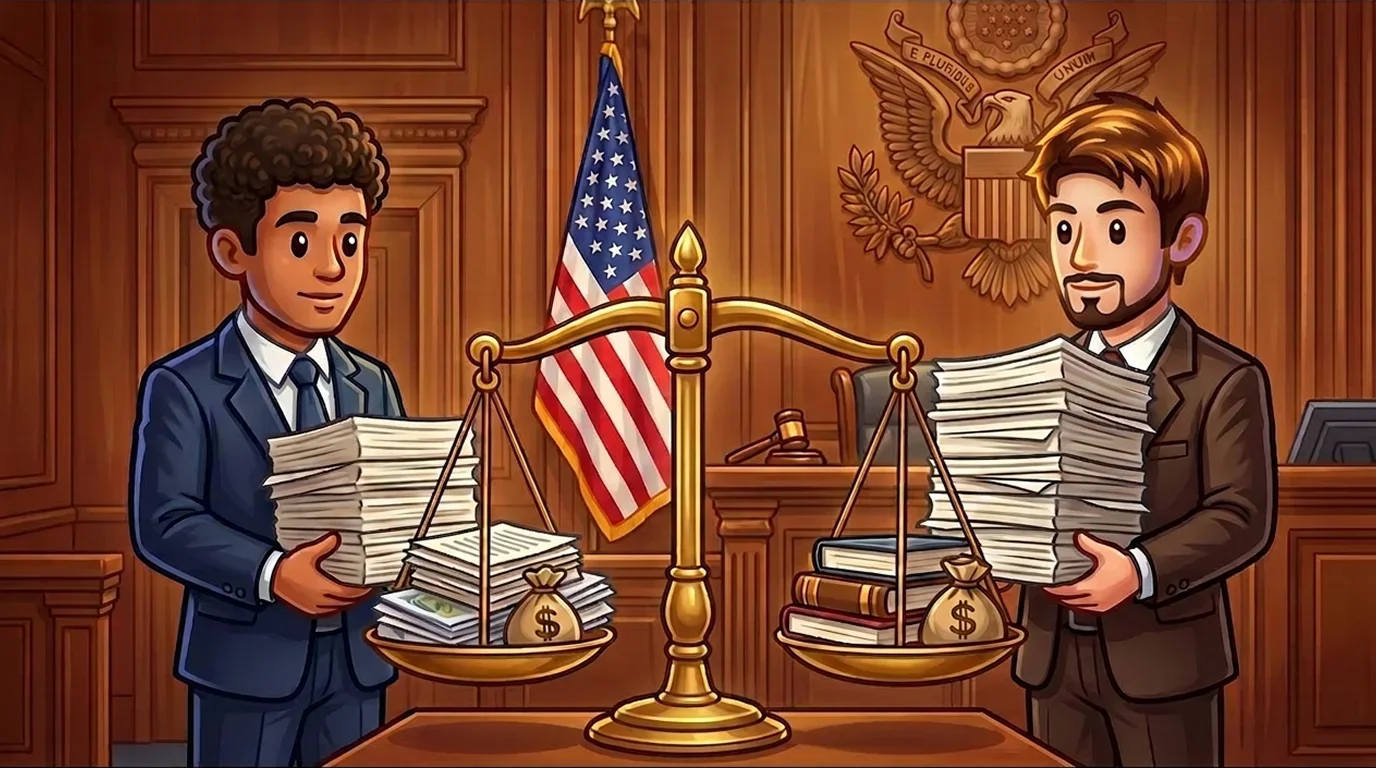
That is why this is not just a branding dispute. It comes down to legal identity. The contract itself is the center of the argument, not just the app or the interface wrapped around it.
Are Prediction Markets legal in the US
The most honest answer is yes, but only in a limited and heavily qualified way. Prediction markets can be legal in the US, but there is no blanket rule that cleanly covers every operator. Legal status depends on the platform, the contract structure, the state, the compliance model, and whether the market is operating inside a framework that regulators are willing to recognize.
That is why broad answers usually fall apart. One platform may have a stronger claim to federal supervision. Another may restrict US access entirely. A third may sit in a special carve-out or operate under a narrower structure than the public assumes. So when people ask whether prediction markets are legal in the US, the real answer is that legality is platform-specific and fact-specific.

The mechanics matter because the law often turns on how the product actually works. Once the mechanics are clear, the legal map becomes much easier to read. The difference between a tradable event contract and a fixed one-time wager is not just semantic. It shapes how the law sees the whole product from the start.
Prediction Markets vs gambling and sports betting
This comparison keeps coming back because, from a user's point of view, the overlap is obvious. In both cases, money is put at risk on uncertain outcomes. A person clicks into a market, chooses a side, and hopes reality breaks in their favor. That is enough for many critics to say the category is just betting with nicer language.
But the structure matters. A prediction market often works more like a marketplace for contracts or shares, where prices move with demand and the market itself becomes part of the signal. A sportsbook works differently. The odds are set in a house-driven model, and the economic logic behind it is not the same. Those distinctions may look technical, but they are exactly what regulation ends up fighting over.

The comparison with sports betting matters because both models can look similar to users while operating under different structures. The two worlds can feel close to each other on the surface, but once you break down how pricing, market participation, and settlement work, the legal split starts to make much more sense.
How regulation shapes platform features
One of the biggest mistakes people make is treating regulation like a layer that sits outside the product. In prediction markets, regulation shows up inside the product all the time. It affects who can sign up, which regions are blocked, what identity checks are required, what kinds of contracts can be listed, and how markets are described to users. Product design here is often just compliance made visible.

That means features are not neutral. A platform may limit access by geography, remove certain market categories, require stronger onboarding, or restrict specific user actions not because the team wants a worse experience, but because the legal environment leaves them little room. In this category, some of the most important design decisions are actually legal requirements expressed through product design.
Understanding sportsbook odds also helps explain why similar-looking products can face different legal treatment. Once odds formation and market pricing are separated in plain language, it becomes easier to see why two products that seem similar to ordinary users can end up with completely different features, rules, and limitations.
Kalshi and the US legal framework
Kalshi matters because it is one of the clearest examples of a platform trying to build inside a federal regulatory frame instead of skirting around it. That is why it keeps showing up in major legal disputes and why so much of the public conversation about US prediction market regulation gets routed through Kalshi, even when the category itself is broader than one company.
What makes Kalshi important is not just that it exists. It is that it has become a test case. When courts look at disputes involving sports-related event contracts or state challenges, the outcome can affect the broader market. It shapes how the wider market understands federal authority, state authority, and the future of event-based trading in the US.

Sports-related event contracts are often compared with moneyline markets because both involve pricing uncertain outcomes.
Polymarket, PredictIt, and platform-specific legal risk
Polymarket appears in regulation discussions so often because it is highly visible and easy for the public to understand at a glance. It sits right at the intersection of speculation, internet culture, real-time news, and market participation. That visibility makes it influential, but it also makes it vulnerable. The more visible a platform becomes, the harder it is for regulators to ignore the questions surrounding access, compliance, and legal structure.
PredictIt belongs in the same conversation, but for a different reason. It is often discussed as part of the broader prediction market landscape, yet it does not fit neatly into the same bucket as every other operator. That is exactly why platform-by-platform analysis matters. It is rarely enough to say "prediction markets are regulated this way" as if one sentence can cover every model in circulation.

The real lesson here is simple: these platforms do not all operate under the same legal framework. Different structures create different risk profiles. Different histories create different regulator relationships. Different market categories create different levels of scrutiny. That is why anyone writing seriously about prediction market regulation has to resist flattening the whole sector into one generic narrative.
Controversial markets and regulatory scrutiny
Not every event contract gets treated the same way. The closer a market gets to sports, elections, war, violence, or outcomes where someone may have inside knowledge or direct influence, the more likely it is to trigger backlash. A harmless novelty market and a politically explosive event contract may use similar mechanics, but they do not attract the same public reaction.

That difference matters because controversial markets change the tone of the regulatory conversation. Once the public starts asking whether people should be able to profit from disaster, conflict, or highly sensitive political outcomes, the debate moves beyond structure and into ethics. Regulators do not operate in a vacuum. Public pressure, headline cycles, and political outrage all shape how aggressively a category gets examined.
Presentation can make markets feel familiar, but formatting alone does not determine legal classification. The real issue is not how the numbers are displayed. It is what kind of contract sits underneath them and what kind of behavior that contract invites.
What could change next in US Prediction Market regulation
The next chapter will probably be shaped by three forces at once. Courts will keep deciding how far federal authority goes. States will keep trying to preserve room to act when they think a product looks like gambling. And federal regulators will keep pushing toward a clearer rule set as the category grows. None of those forces is going away.

That means the legal picture is still moving. The category has already become too visible to stay in a comfortable gray zone, but it is not settled enough to feel predictable. That creates a strange middle phase where platforms continue building, users continue participating, and precedent continues forming at the same time.
The most realistic expectation is not less regulation. It is more precise regulation. Once a market becomes large enough, public enough, and controversial enough, the pressure almost always shifts toward sharper definitions and cleaner boundaries. Prediction markets in the US seem to be heading exactly in that direction.
Conclusion
Prediction market regulation in the US is not one question. It is several stacked together. What kind of contract is this? Who has authority over it? Can states still step in? Does the product function more like a financial market or more like a betting product? Which events cross the line from interesting to unacceptable? Those questions all sit on top of each other, and that is why the space stays so contested.

The cleanest takeaway is also the simplest one. In this sector, regulation is not just an outer wrapper around the product. It is part of the product. The platforms with the best long-term chance are the ones that can balance demand, clarity, and compliance without pretending those things can be separated.
FAQs
A prediction market is a venue where users trade contracts tied to future outcomes. Prices usually move based on what the market thinks is likely to happen.
Some prediction markets can operate legally in the US when they are structured within a recognized regulatory framework, but access and legality depend on the platform, contract type, user location, and applicable federal or state rules. There is no single answer that applies to every platform or market category.
Federal regulators play a major role, especially where event contracts are tied to a financial market structure, but states also keep asserting authority under gambling or gaming law.
It sits at the center of the federal conversation around regulated event contracts, market oversight, rulemaking, and enforcement in this category.
Not automatically. Some regulators and critics argue that certain offerings resemble gambling, while platforms argue they are structured as event-based financial contracts.
Prediction markets are usually built around tradable contracts or shares whose prices reflect probability, while sportsbooks rely on bookmaker-set odds and house risk.
Kalshi is one of the clearest examples of a prediction market platform operating within a US federal regulatory framework. That makes it central to debates about CFTC oversight, event contracts, state challenges, and the boundary between financial markets and gambling regulation.
Polymarket is usually discussed as a platform-specific case because access, compliance, and legal risk depend on its operating structure and the jurisdictions it serves. It should not be treated as the same legal model as every US-regulated event contract platform.
PredictIt is often treated as a separate case because it has long been discussed under a different and narrower regulatory context than many other operators.
They are contracts tied to whether a defined event happens. The payout usually depends on a specific outcome being resolved one way or another.
Because they raise issues that go beyond product design, including ethics, manipulation risk, misuse of privileged information, and political backlash.
The most likely path is more court guidance, more pressure from both state and federal levels, and a clearer framework over time rather than a looser one.